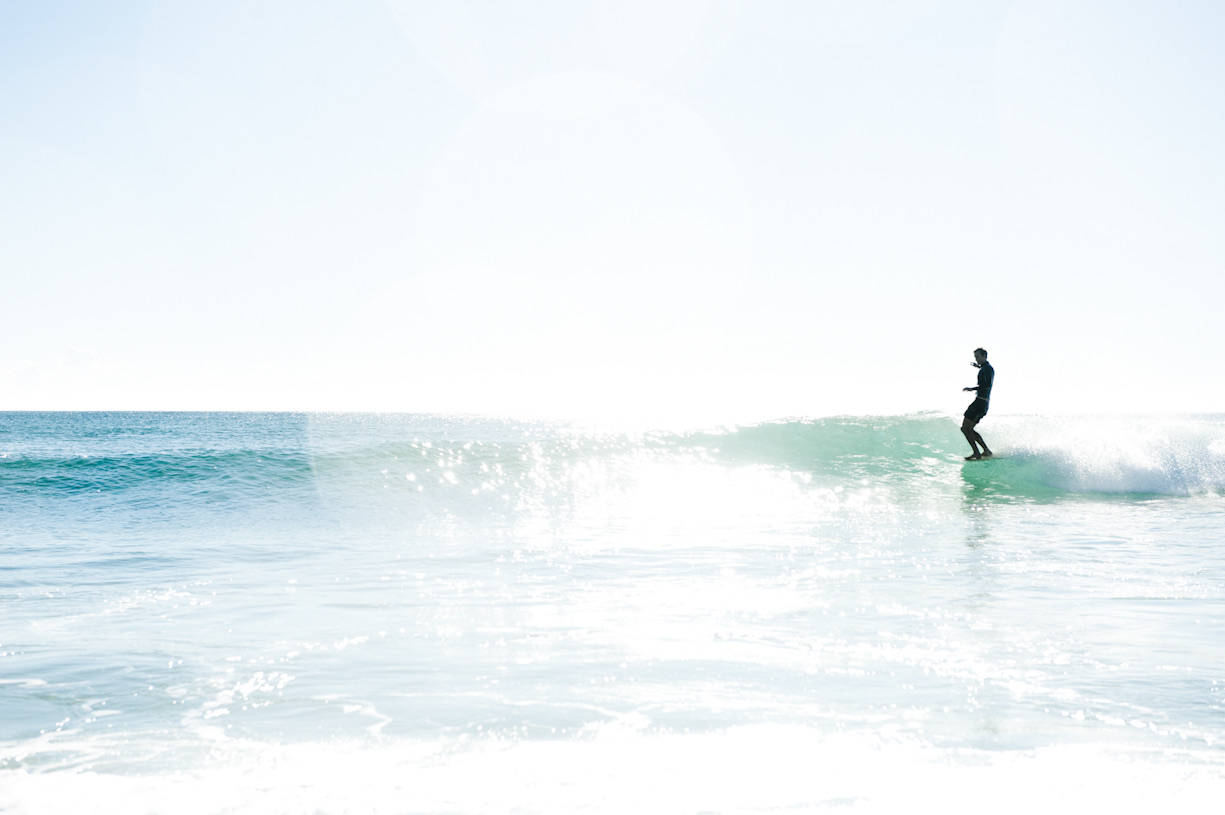
Surfing and leadership - what the ocean teaches about systems thinking
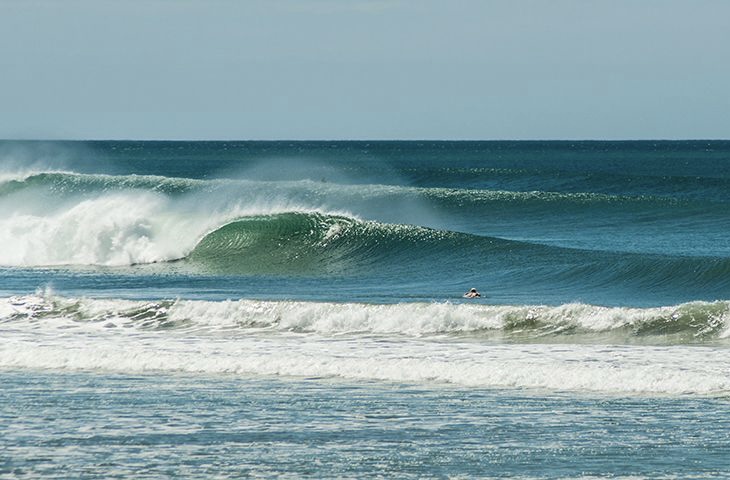
I used to think I surfed to escape.
From emails.
From decisions.
From responsibility.
Now I know I surf to think.
Not in bullet points.
In patterns.
For me, surfing and leadership are connected. Not metaphorically. Practically.
Every paddle out is a lesson in systems thinking.
⸻
Surfing teaches systems thinking
You paddle out and the ocean is already moving.
No agenda.
Just energy travelling across distance.
You sit. You watch.
The horizon.
The wind.
The gap between sets.
Good surfers are not stronger.
They are more attentive.
They notice when the interval shortens.
When the tide turns.
When a swell shifts a few quiet degrees.
Most people see waves.
Surfers see systems.
A set is not one wave.
It is a signal.
Where the storm formed.
How long it travelled.
What is building behind it.
In business we call that scenario planning.
In policy we call it long-term forecasting.
In the water you feel it before you name it.
That is systems thinking without slides.
⸻
Why short-term leadership fails in the water
The ocean does not reward short-termism.
Force a wave and you waste energy.
Drop in and the lineup corrects you fast.
Ignore the tide and you paddle twice as hard for half the result.
You adapt or you swim.
That is leadership.
Founders who chase every ripple burn out.
Policy makers who design for headlines instead of decades create noise, not change.
Groundswell is different.
It builds quietly.
Travels further.
Carries weight.
Building The Wave felt like that.
For years it looked flat from the shore.
No big moments.
Just planning hearings.
Capital raises.
Hard conversations.
Doubt.
Underneath, pressure was building.
Relationships.
Evidence.
Belief.
The most important shifts in business and public policy rarely look dramatic at first.
They feel slow.
⸻
What public policy can learn from the ocean
Surfing and leadership meet most clearly in public health.
In the UK, the majority of health spending still goes towards treatment rather than prevention.
We fund crisis.
We underfund regulation of the nervous system.
Yet the evidence is clear.
Access to green and blue space reduces stress, improves mental health and strengthens community resilience.
If water calms the body,
why is blue infrastructure not central to planning policy?
Why are we still designing cities that ignore how the human nervous system works?
When I sit between sets, my breathing slows.
My perspective widens.
That is regulation.
Now imagine designing urban systems that deliberately create that state.
That is leadership at a civic scale.
⸻
Stillness, resilience and regenerative leadership
Between sets there is stillness.
Not dead time.
Assessment.
Breath returns to baseline.
The nervous system resets.
Most leadership environments have no between sets.
Just constant chop.
No wonder founders burn out and policy makers default to reactive cycles.
After my stroke, I noticed this more.
Stillness is not weakness.
It is recalibration.
You do not rush every wave.
You position.
You wait.
Positioning matters.
Timing matters.
Ego does not.
Surfing shrinks you in the best possible way.
It reminds you that tides move without permission.
Markets shift.
Climate shifts.
Public mood shifts.
You cannot dominate systems that large.
But you can learn to read them.
That is regenerative leadership.
Not control.
Alignment.
⸻
The real lesson
For founders and policy makers who surf, this is not romanticism.
It is rehearsal.
Every paddle out is practice for operating inside forces you do not control.
The question is not whether change is coming.
It always is.
The question is:
Are you sitting in the right place when it arrives?
And when it does -
Will you paddle with it.
Or against it.